UX Research · 2025
Usability Test Report: Wallet Application
Problem Statement, In-Person Usability Test, and Results
After analyzing user behavior over three months, we found that 35% of users who add money to their wallets never actually use it. This usability test identified the frictions preventing confident checkout and validated design changes that improved completion rates.
- Role
- UX Researcher
- Duration
- 3 weeks
- Team
- Research team
- Tools
- Usability TestingGoogle AnalyticsUser Observation
- Goal
- Identify the frictions that prevent confident checkout and validate design changes that improve completion rates for wallet transactions.
01Problem
A significant portion of users add funds to the wallet but do not complete transactions. Analytics show hesitation at payment confirmation, confusion about where the wallet can be used, and sensitivity to unexpected fees.
What I did
- Google Analytics analysis over three months
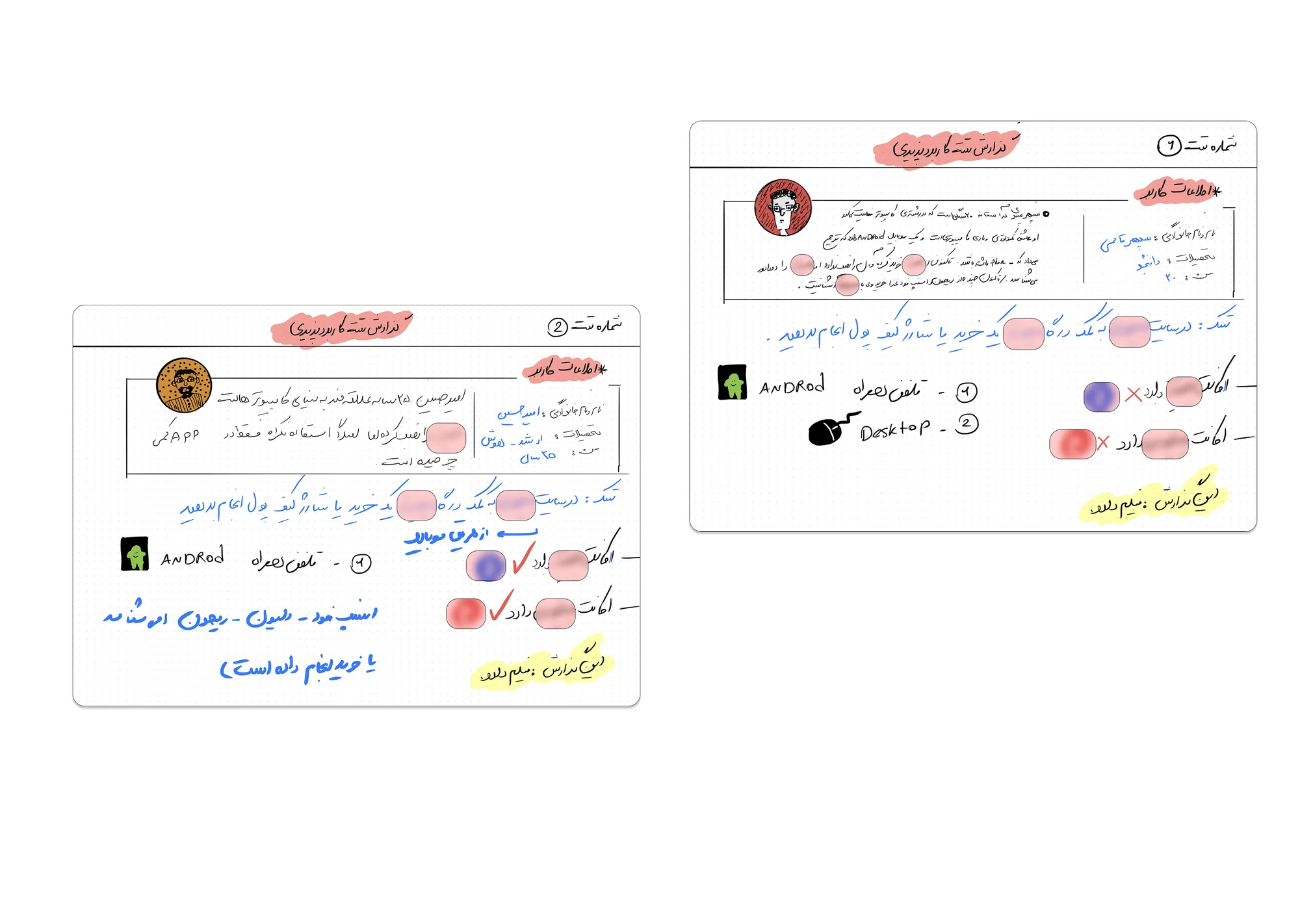
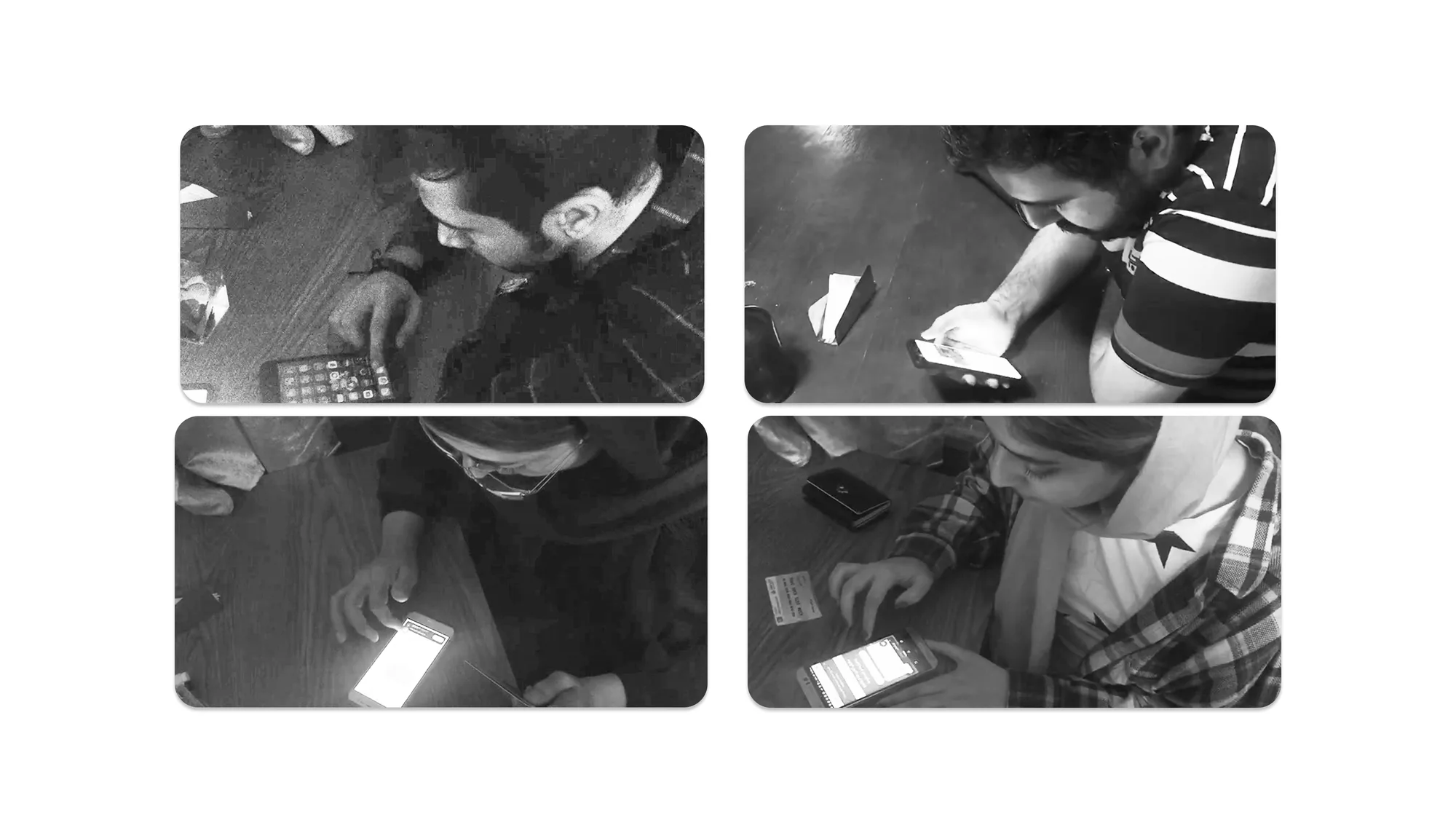
- In-person moderated usability testing sessions
- User behavior observation and interviews
- Post-change analytics tracking
What I found
- 135% of users who add money never use it
- 242% drop-off rate at payment confirmation
- 358% of users hesitate at checkout
- 433% abandon due to unexpected fees
- 525% check balance after attempted payment, showing lack of confidence
02Solution
Implement design changes focused on enhancing feedback mechanisms, improving fee transparency, and increasing merchant visibility to address user hesitation and lack of confidence at checkout.
How I got there
- 1Analytics analysis to identify problem
- 2In-person usability testing with target users
- 3Finding identification and prioritization
- 4Design change implementation
- 5Post-change validation and tracking
Key features
- 1Clear confirmation messages post-payment
- 2Visual indicators for transaction success
- 3Upfront fee breakdown before checkout
- 4Where to Use Wallet section
- 5Location-based merchant suggestions
03Impact
- 38% → 69%Transaction completion rate
- 42% → 74%Users completing payments without hesitation
- −45%Support queries about payment confirmation
- +62%Engagement with Where to Use Wallet section
looking backThe usability testing revealed critical friction points that analytics alone couldn't explain. The design changes effectively addressed user hesitation and lack of confidence, resulting in significantly improved transaction completion rates. However, it's important to note that bug fixes also contributed to the improvements.
What I'd do next
- 1Continue tracking drop-off rates at checkout
- 2Gather qualitative feedback through surveys
- 3A/B test different confirmation feedback mechanisms
- 4Explore personalized incentives to increase wallet transactions