UX Design · 2024
User Story, User Flow, Lofi Wireframing & Prototyping in HTML
Creating user-centered experiences through systematic wireframing and prototyping before development
Creating user-centered experiences through systematic wireframing and prototyping before development. This process involves defining comprehensive user stories, mapping user flows, and building HTML-based low-fidelity prototypes for early testing and validation.
- Role
- UX Designer
- Duration
- 2 weeks
- Team
- Individual project
- Tools
- HTMLCSSMermaidPrototyping Tools
- Goal
- Create wireframes and interactive prototypes to visualize user flows, layout, and interactions before development starts, enabling early user testing and reducing development risks.
01Problem
Building products without proper wireframing and prototyping leads to development risks, unclear specifications, and products that may not meet user needs. Early visualization and testing are essential to ensure user-friendly experiences.
What I did
- User story definition covering all possible scenarios
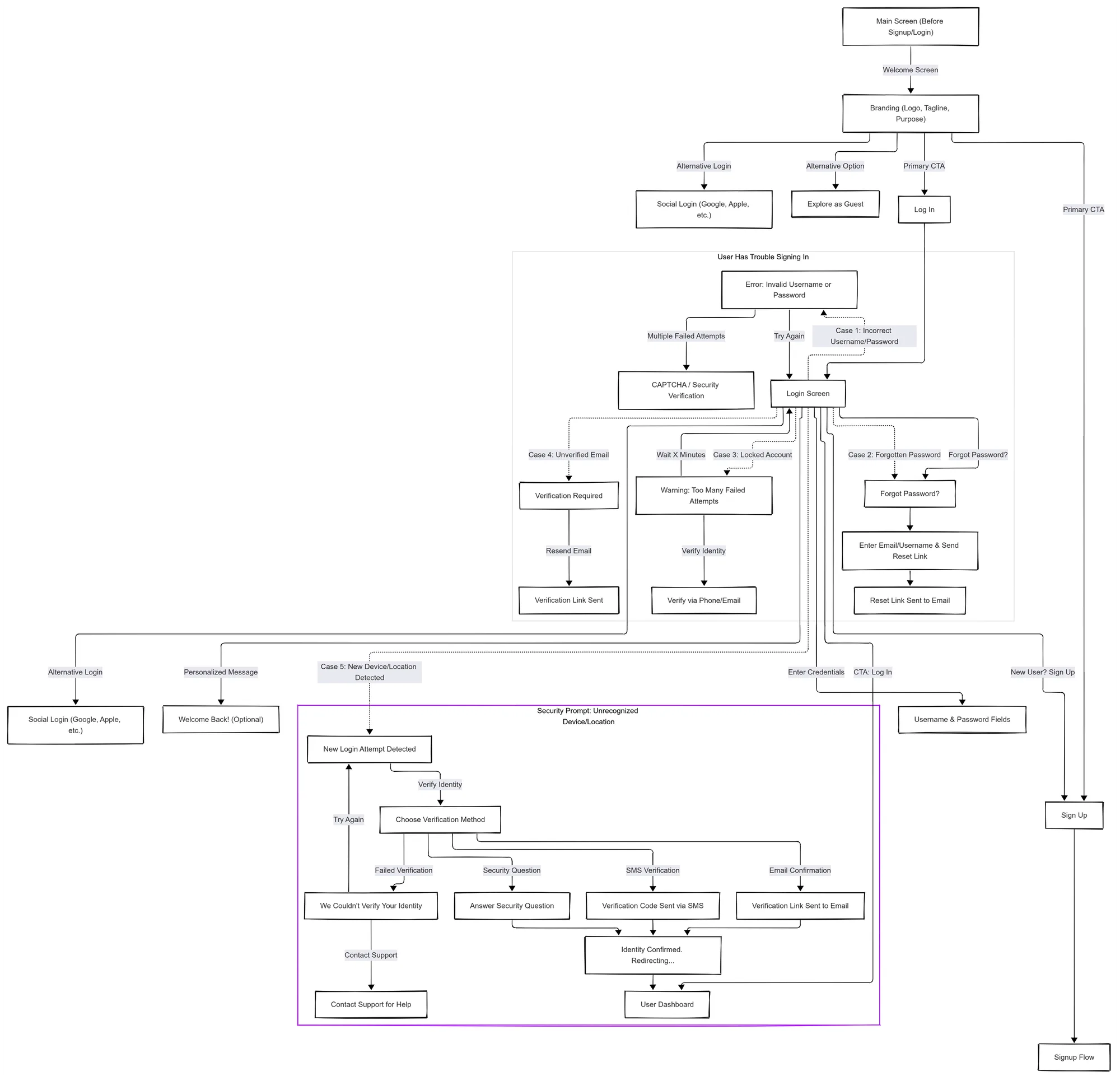
- User flow mapping for authentication processes
- Edge case identification and handling
What I found
- 1Comprehensive user stories help identify edge cases early
- 2Visual user flows improve team alignment
- 3HTML-based prototypes enable early usability testing
- 4Interactive prototypes reduce development iterations
02Solution
Create a systematic approach to wireframing and prototyping using user stories, comprehensive user flows documented in Mermaid, and HTML-based low-fidelity prototypes that enable early testing and validation.
How I got there
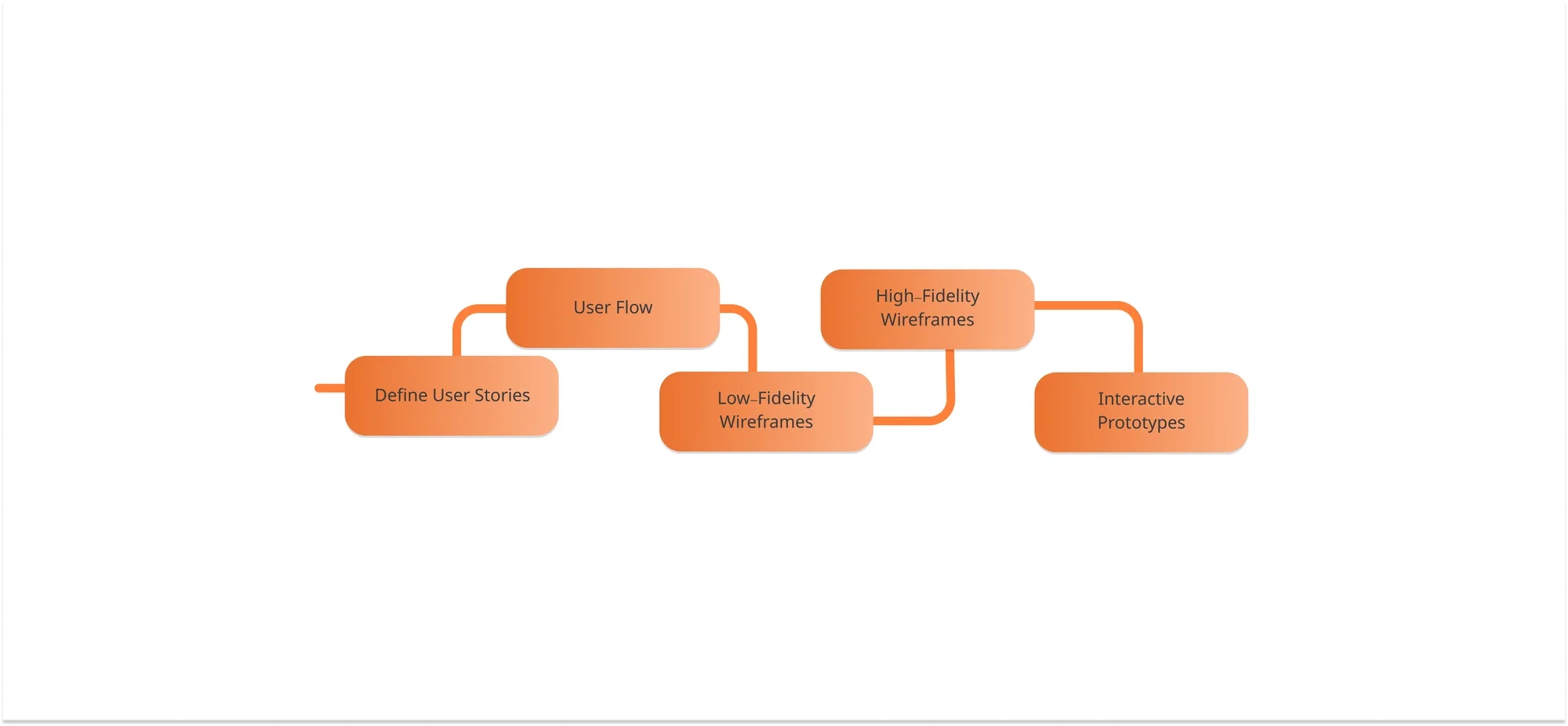
- 1Define comprehensive user stories
- 2Map user flows using Mermaid diagrams
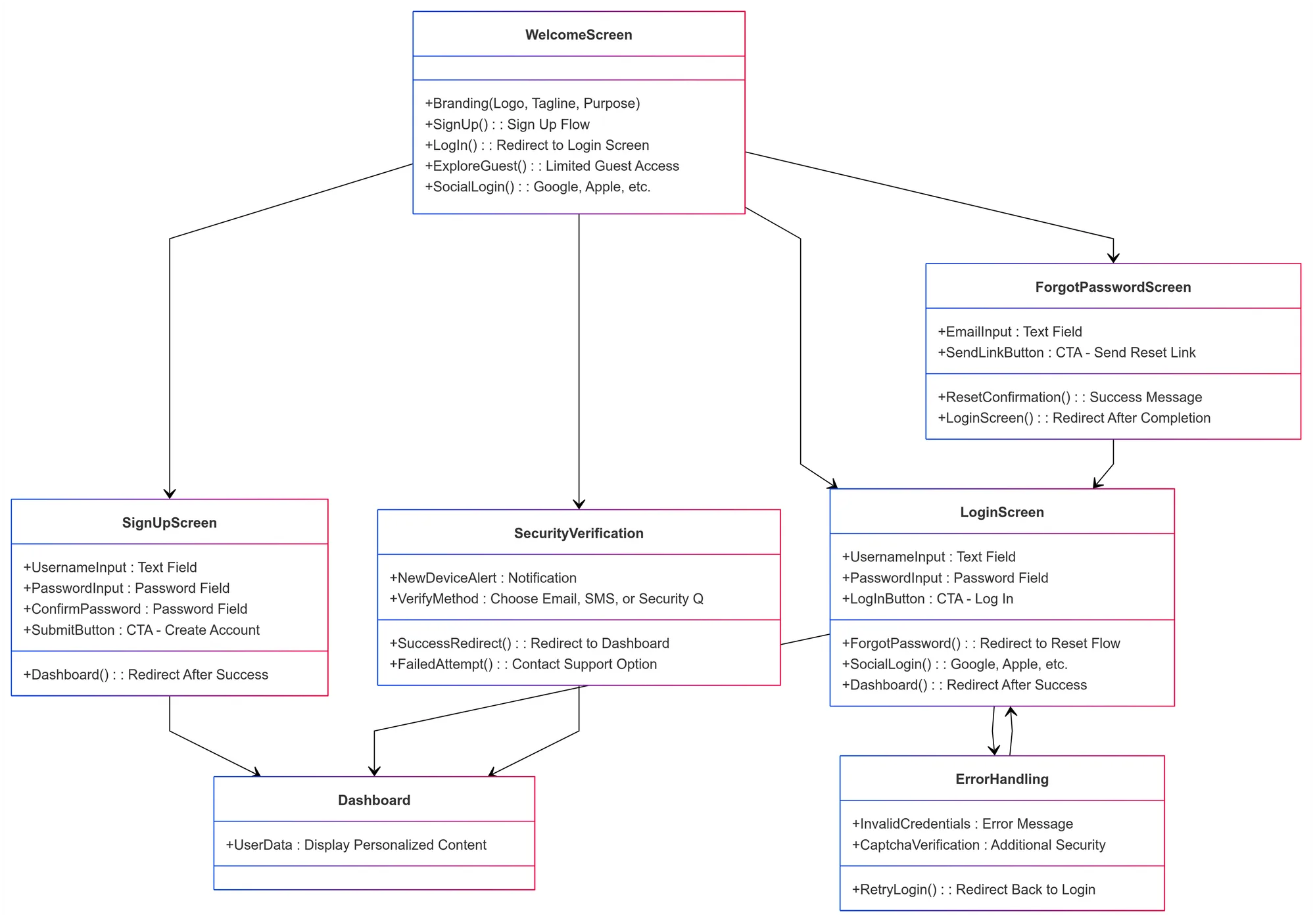
- 3Create class diagrams for page relationships
- 4Build HTML-based low-fidelity wireframes
- 5Develop interactive prototypes for testing
Key features
- 1Four comprehensive user stories covering major scenarios
- 2Mermaid-based user flow documentation
- 3HTML-based interactive prototypes
- 4Early usability testing capability
- 5Reduced development risk through early validation
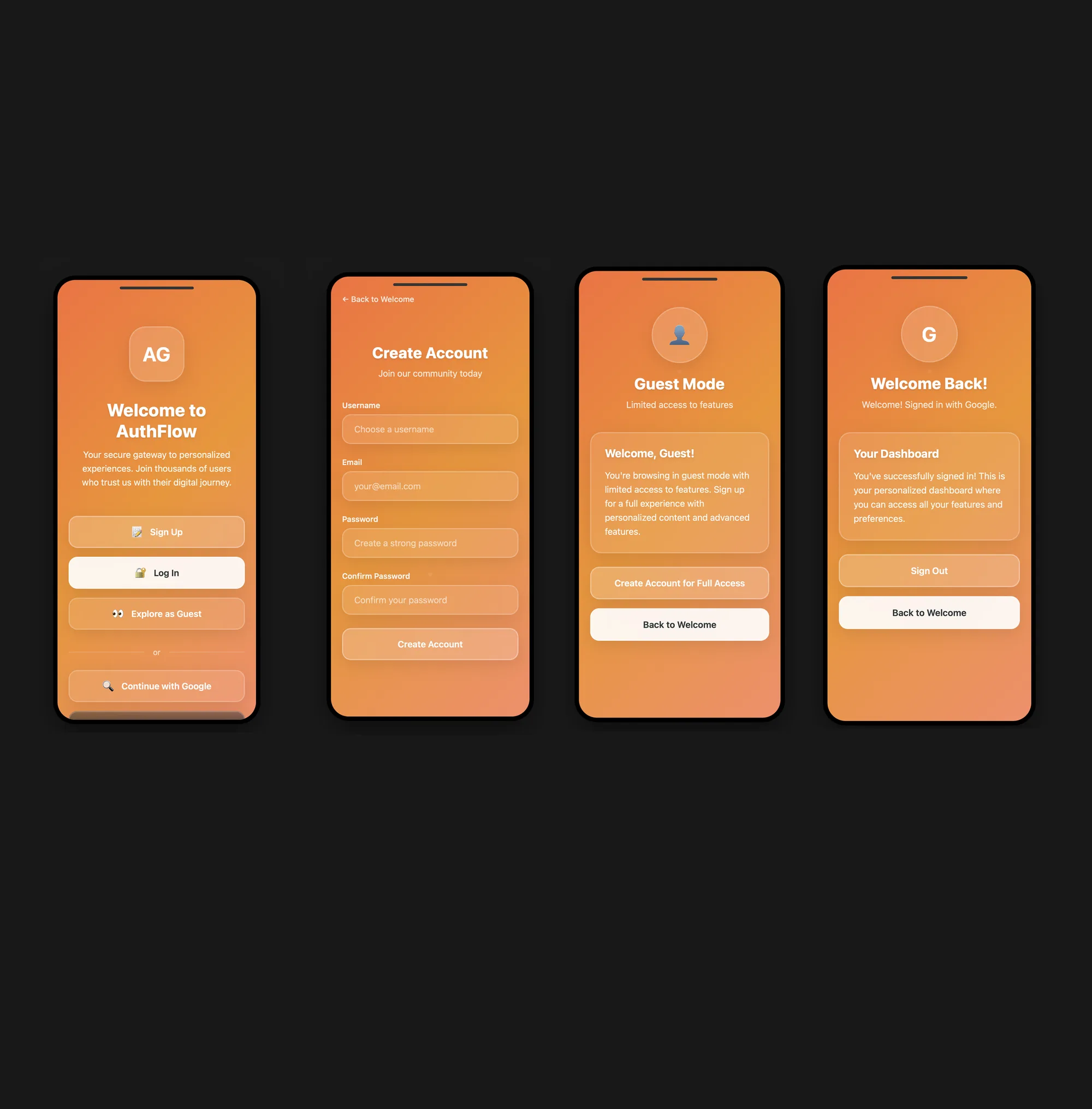 Try the prototypeInteractive Authentication Flow Prototype High-fidelity HTML prototype demonstrating all user scenarios including signup, login, error handling, and security verification
03Impact
- Reduced development risk through early issue identification
- Improved user adoption through early testing
- Faster development with clear specifications
- Better stakeholder buy-in with visual prototypes
looking backThis systematic approach demonstrates that investing time in wireframing and prototyping before development significantly reduces risks and improves outcomes. HTML-based prototypes are particularly valuable as they enable real user testing early in the process.
What I'd do next
- 1Expand prototype coverage to additional user flows
- 2Integrate more interactive elements in prototypes
- 3Create reusable wireframing templates