UX Research · 2024
Persona-Based UX Analysis: Who Is Duolingo's Target Audience?
Comprehensive analysis of Duolingo's diverse user base and design inclusivity challenges
Comprehensive analysis of Duolingo's diverse user base and design inclusivity challenges. This research identifies user groups that struggle with Duolingo and analyzes why the platform does not fully meet their needs, ultimately providing design recommendations to improve inclusivity.
- Role
- UX Researcher
- Duration
- 2 weeks
- Team
- Individual project
- Tools
- Survey ToolsData AnalysisUser Research Methods
- Goal
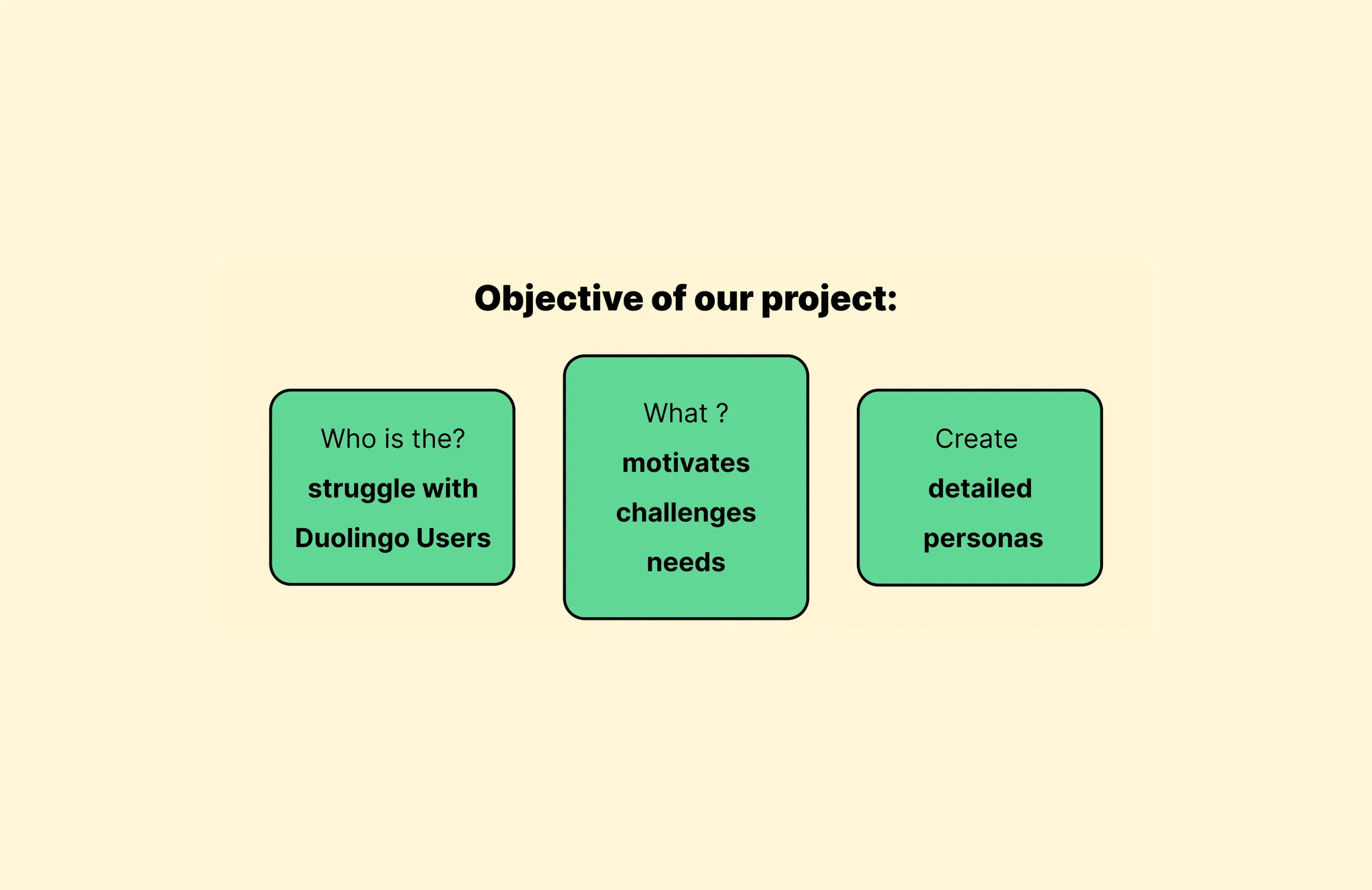
- Identify user groups that struggle with Duolingo, analyze why the platform does not fully meet their needs, and provide design recommendations to improve inclusivity.
01Problem
Duolingo serves a wide and diverse user base, offering over 100 courses across more than 40 languages to millions of learners worldwide. But since so many people use the platform, it's hard to fully understand and meet everyone's unique needs. The question remains: Is Duolingo's design truly based on 'Design for All'?
What I did
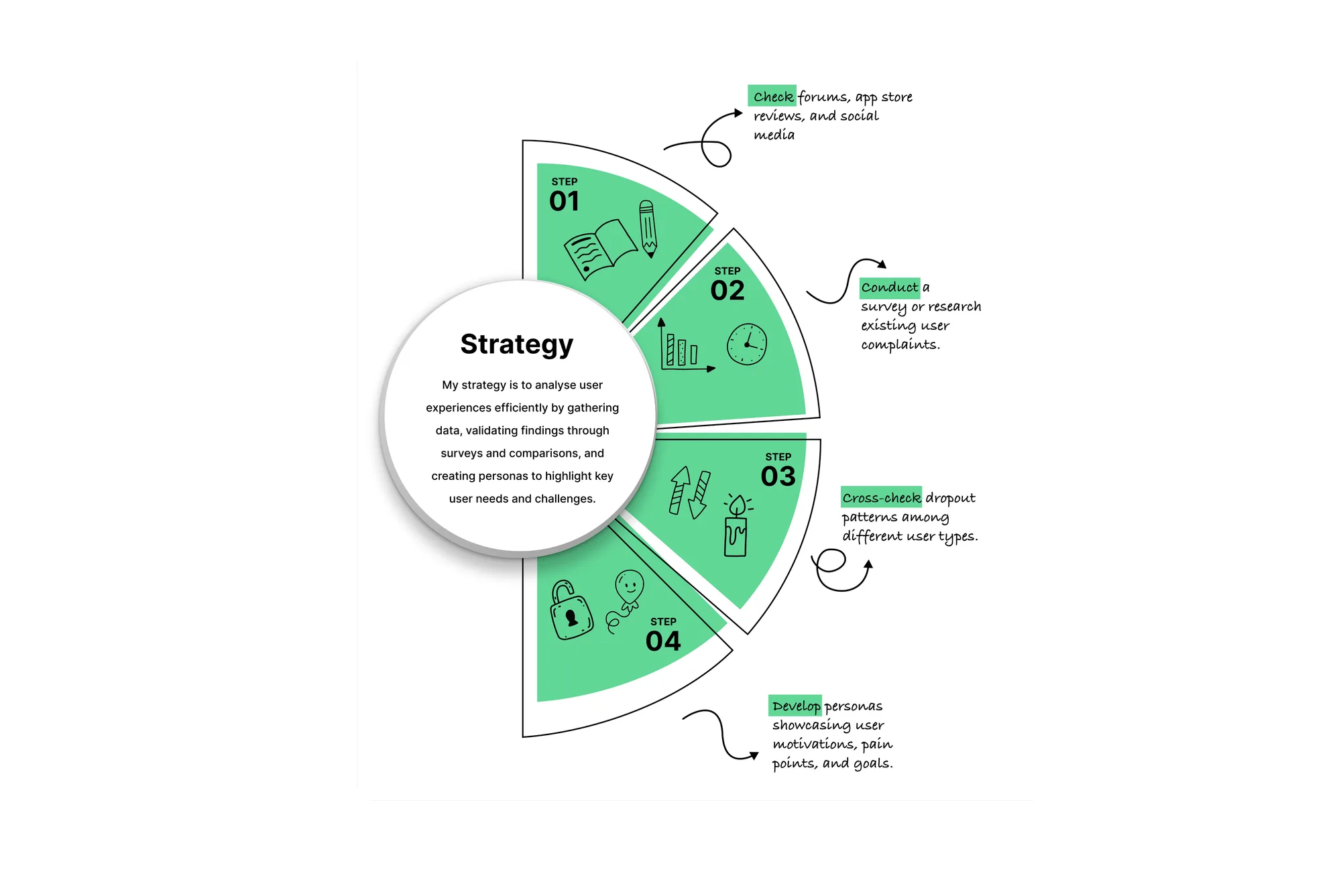
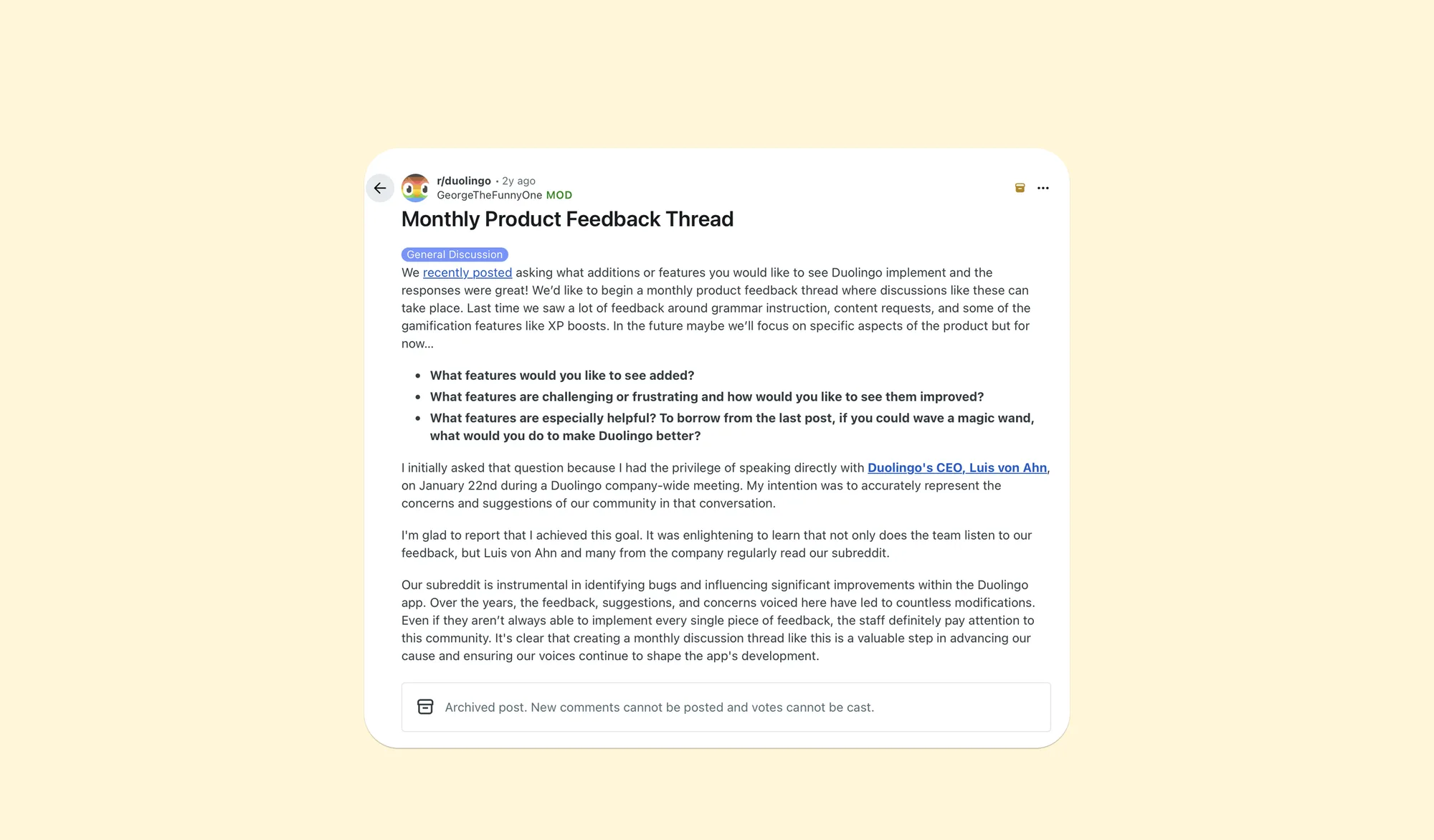
- Desk research on forums, app store reviews, and social media for user complaints
- Analysis of dropout rates and engagement trends
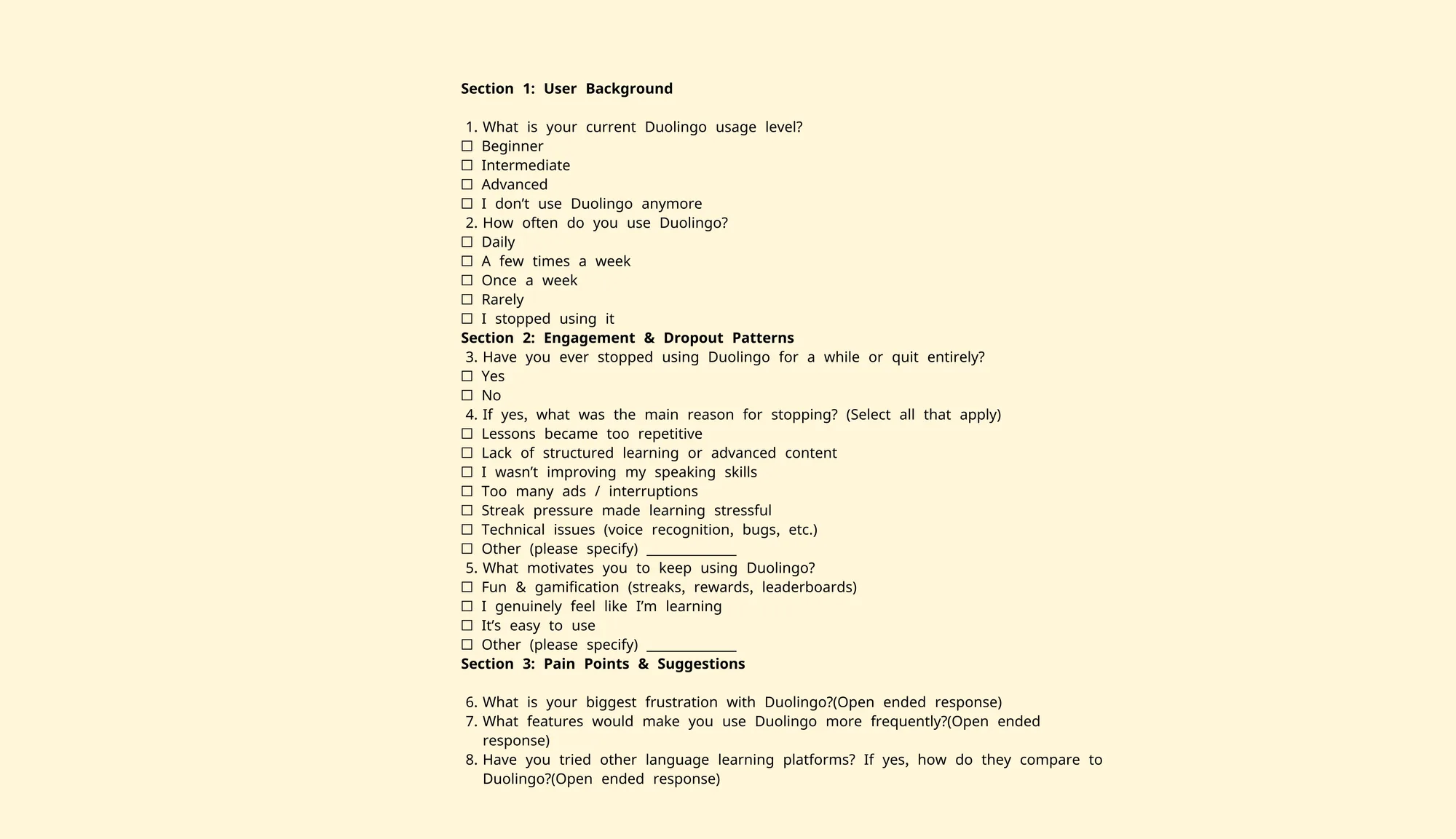
- Survey validation with existing users
- User type segmentation and analysis
- Accessibility and usability audit
What I found
- 1Advanced learners find lessons lack depth and grammar explanations are too simple
- 2Casual users lose motivation and feel lessons are repetitive
- 3Beginners struggle with voice exercises due to tech accuracy issues
- 4Serious academic learners seek additional resources outside Duolingo
- 5Conversational learners need more real-world conversation practice
02Solution
Create detailed personas that showcase user motivations, pain points, and goals for each major user segment, enabling persona-based design recommendations to improve inclusivity.
How I got there
- 1Structured desk research with data collection framework
- 2User type segmentation and behavioral analysis
- 3Survey design and validation
- 4Persona development
- 5Accessibility audit and recommendations
Key features
- 1Five detailed personas covering major user segments
- 2Comprehensive accessibility and usability audit
- 3Design recommendations for improving inclusivity
- 4Adaptive learning path suggestions
- 5Accessibility feature enhancements
03Impact
- Identified 5 distinct user segments with unique needs
- Uncovered key dropout patterns and learning struggles
- Provided actionable design recommendations for inclusivity
looking backThis research demonstrates that while Duolingo serves a large user base, addressing specific user needs through persona-based design can significantly improve user satisfaction and retention. 'Design for All' requires understanding diverse user segments and creating adaptable experiences.
What I'd do next
- 1Implement adaptive learning paths for different user types
- 2Enhance accessibility features to meet WCAG AA standards
- 3Provide advanced content options for experienced learners
- 4Improve speaking practice opportunities